October 3-7 | Starting at $500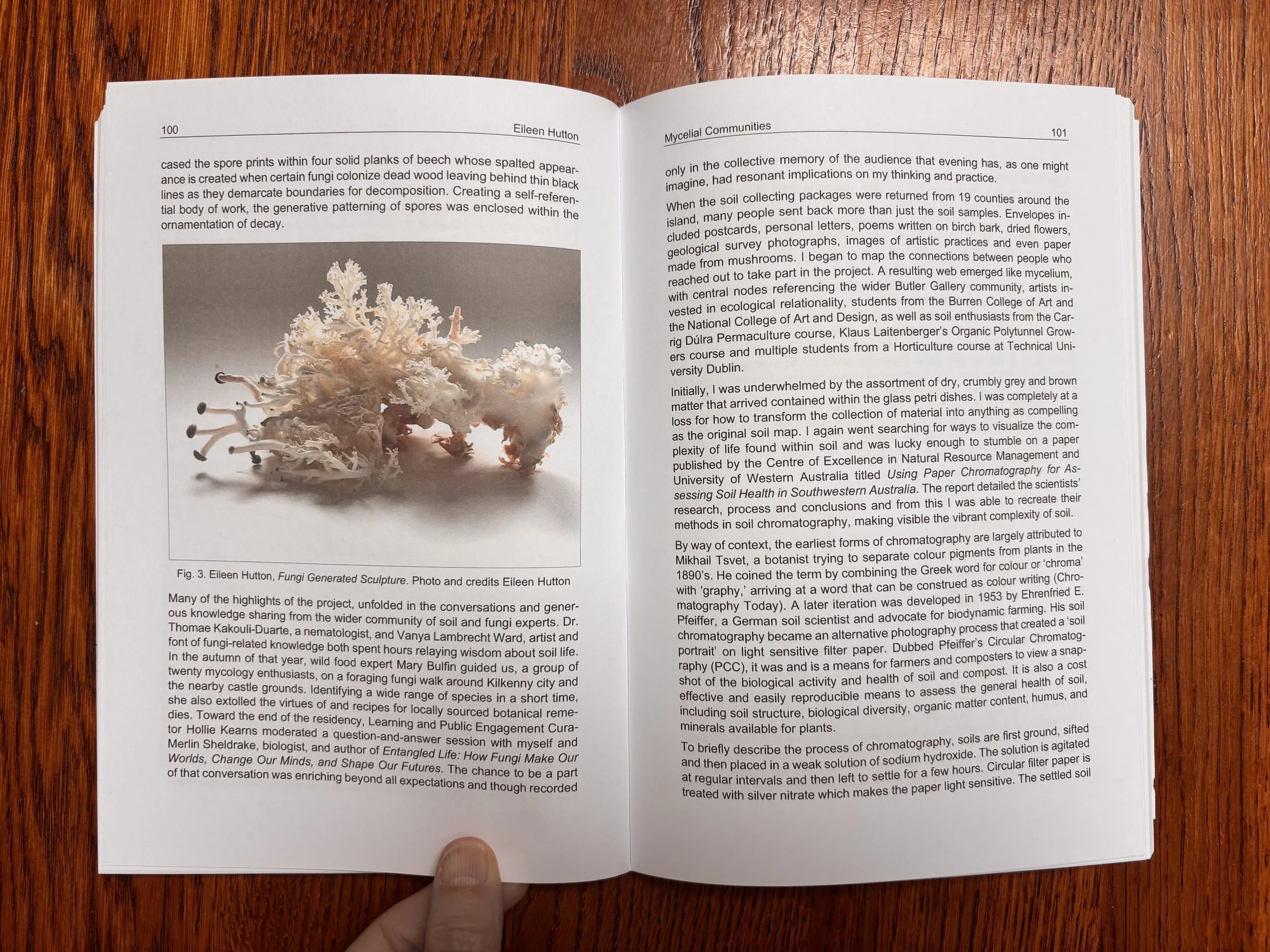
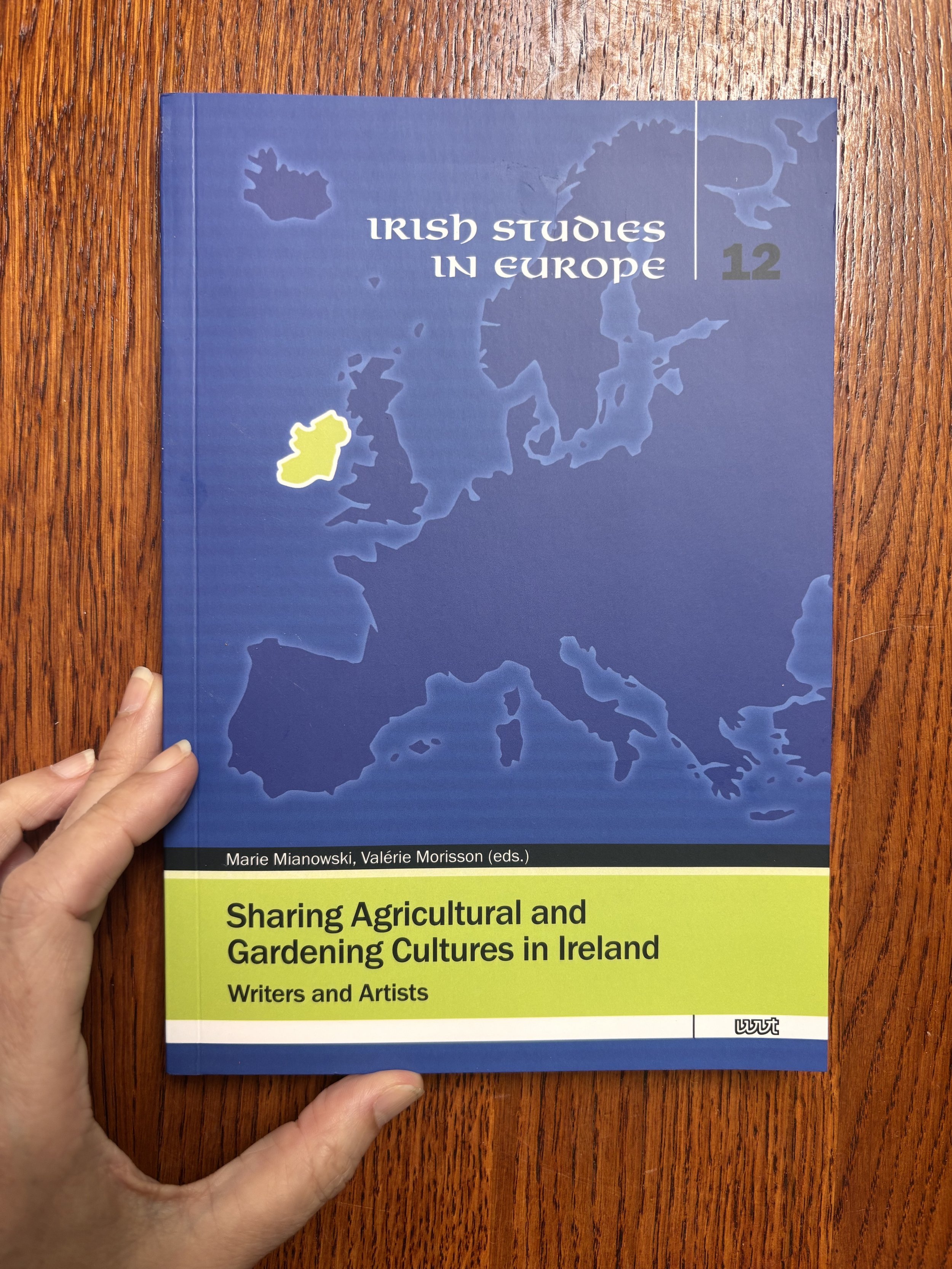
Marie Mianowski, Valérie Morisson (Eds.)
Sharing Agricultural and Gardening Cultures in Ireland: Writers and Artists
(Irish Studies in Europe, Vol. 12)
This volume addresses gardening and agricultural practices rather than the garden as an allegory, a metaphor or a symbol. It celebrates the potentiality of praxis, of pragmatic aesthetics, and the ways gardening or growing plants affect literary and artistic creation. The chapters put to the fore the intimate relations that artists, writers and poets have opened up with the plants and their gardens. They adopt non-extractive, non-exploitative relationships with nature and extend the notion of care to the more-than-human world, in their agricultural and creative practices. Artists and writers addressing the landscape of the Anthropocene are familiar with environmental sciences. On the shelves above their desks stand books by Rachel Carson, Bruno Latour, Donna Haraway, Natasha Myers and many others. Aware that new attitudes towards nature must translate into new practices and praxis they immerse themselves in gardens, observe vegetal growth and respond to plantness creatively, thereby opening up fruitful dialogues and new ‘correspondences’.
You can buy a copy here: https://www.wvttrier.de/en/p/sharing-agricultural-and-gardening-cultures-in-ireland-writers-and-artists
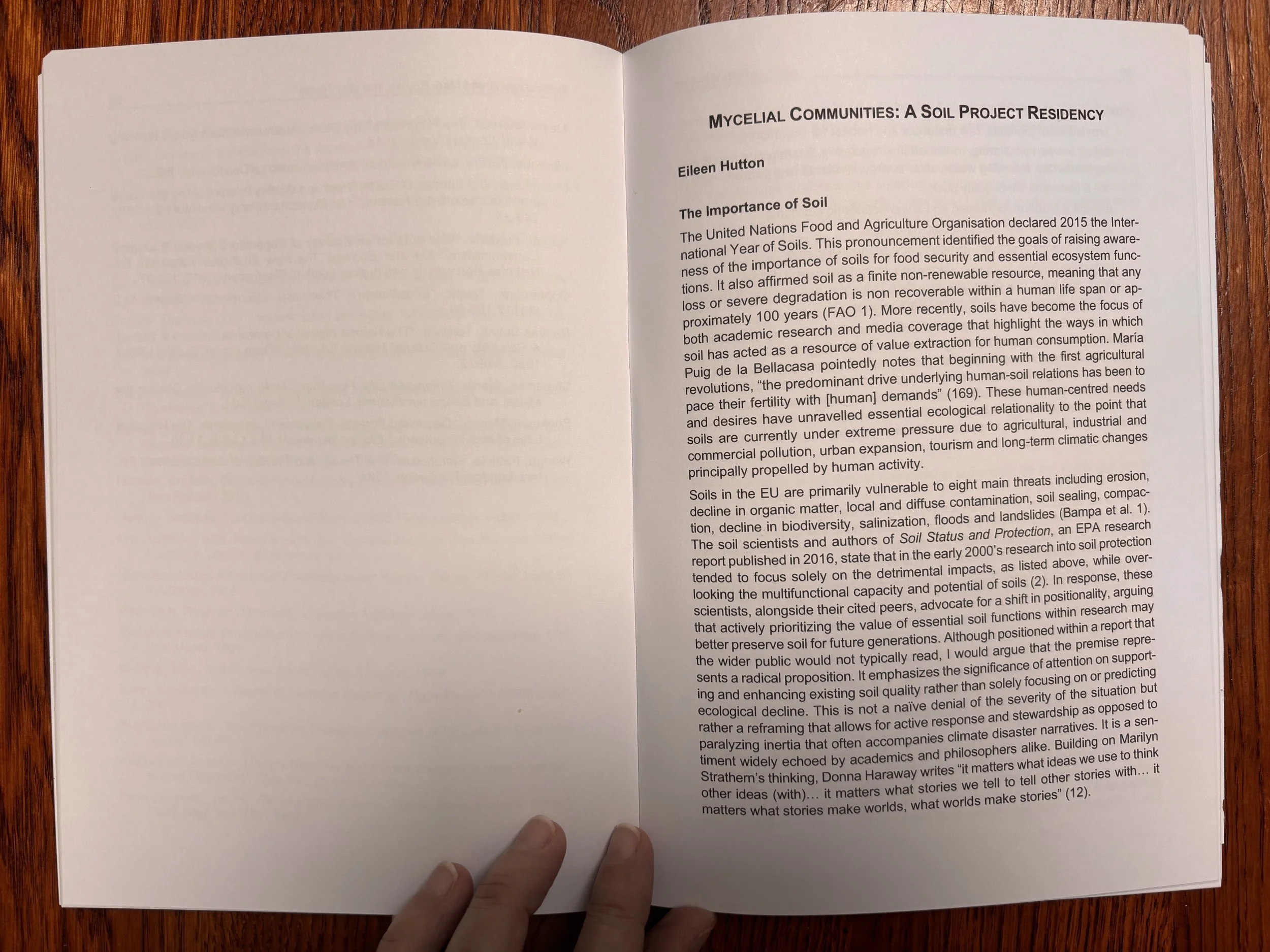
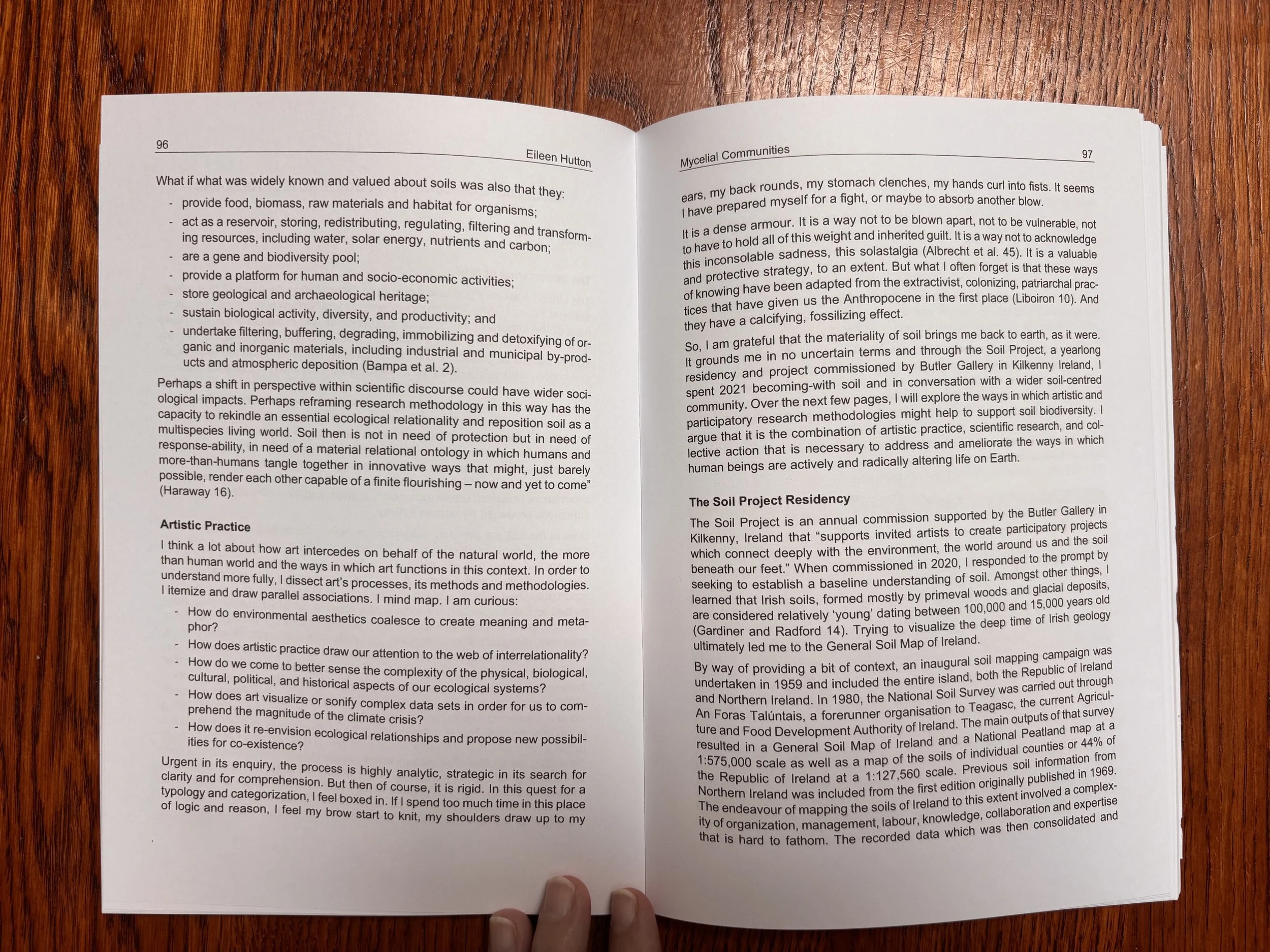
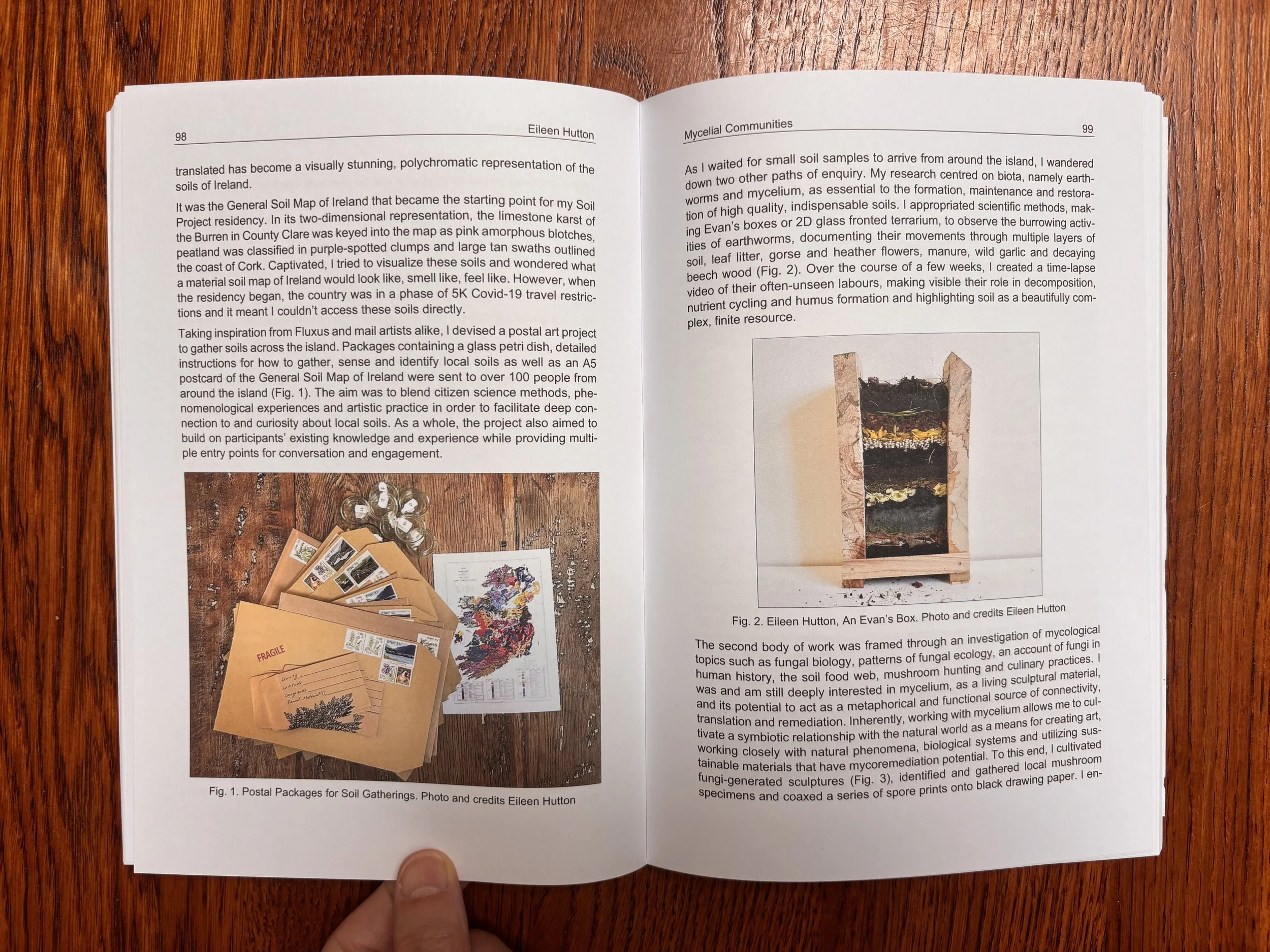
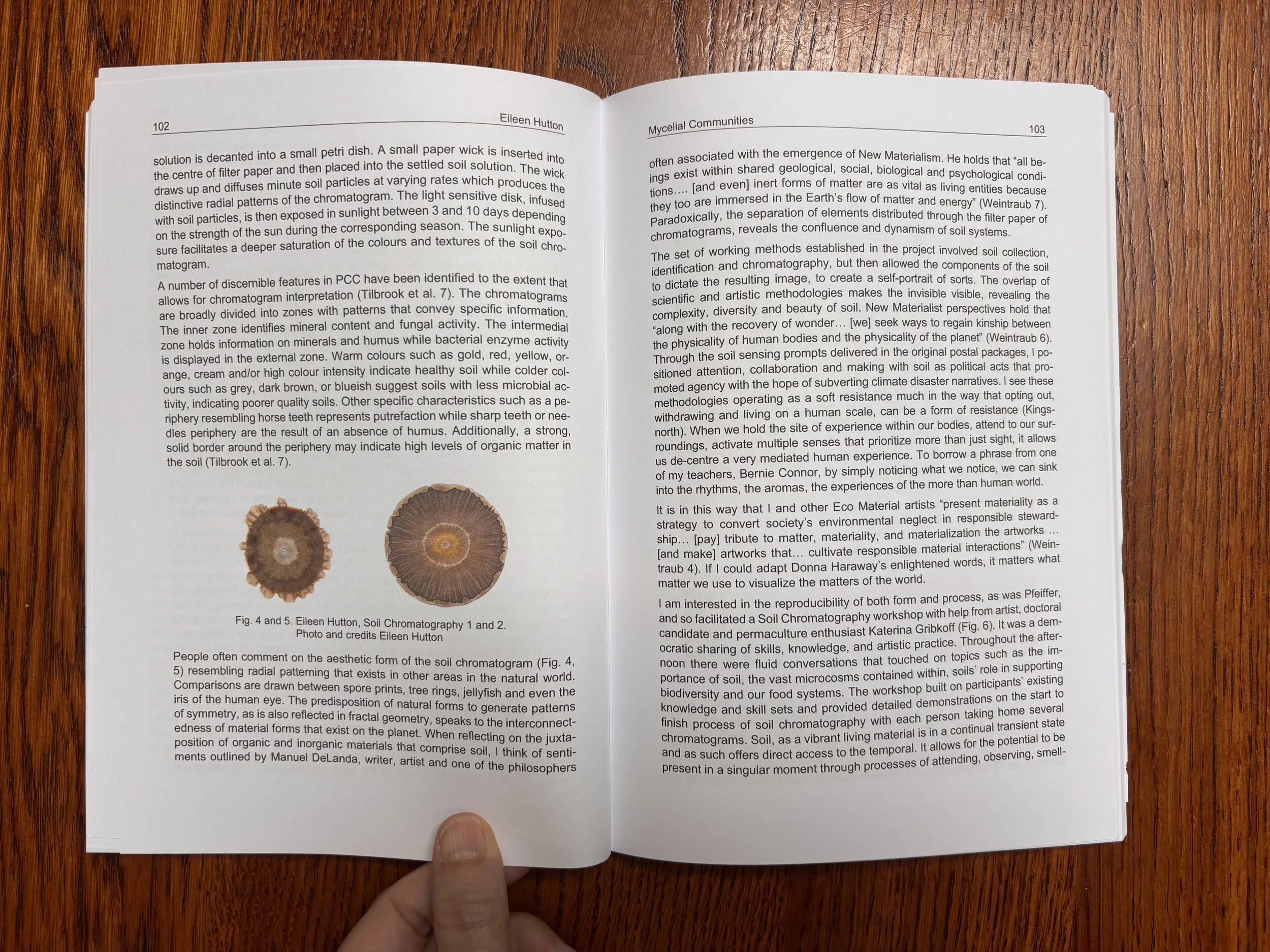
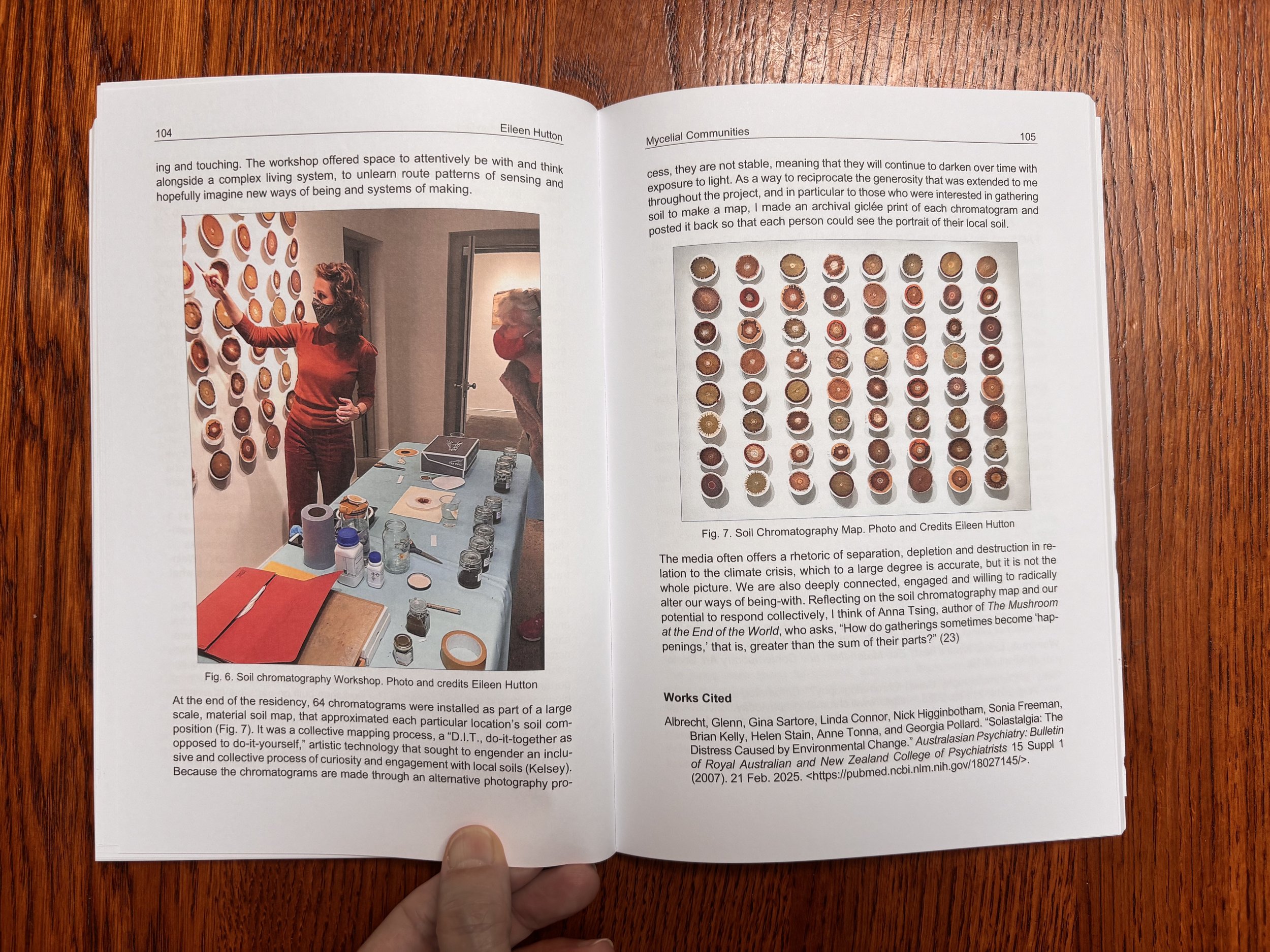
Following is the abstract for this contribution: Declaring 2015 as the Year of International Soils, the UN Food and Agriculture Organisation was one of the initial agencies to publicly draw attention to the global significance of soil.[1] The precarity of soil lies not only with the fact that it is essential to agriculture, food production and food security but that it is also a finite resource, non-renewable on a human time scale. Beginning with the first agricultural revolutions, Maria Puig de la Bellacasa, writes that ‘the predominant drive underlying human-soil relations has been to pace their fertility with [human] demands.’[2] These human centered needs and desires have unraveled an essential ecological relationality to the point that soils are currently under extreme pressure due to agricultural, industrial and commercial pollution, urban expansion and long-term climatic changes. This text explores how soil, activated through the lens of artistic practice, might hold space for sensorial investigations, collective making and commoning, citizen science and more than human encounters and exchanges. Employing radial soil chromatography and the 1980’s General Soil Map of Ireland as historical precedents for DIY technologies and collaborative map making processes, The Soil Project Residency: Building Mycelial Communities, provides a case study for speculative human-soil relations. You can learn more about this project, commissioned by Butler Gallery at: https://www.eileenhutton.com/soil/the-soil-project-residency-2021